
NDIS supported accommodation
Individualised Living Options (ILO) in Brisbane and Logan
ILO lets you design how you live and who supports you, often with a host or a housemate. Here is how the two stages work and where we fit in.

Individualised Living Options (ILO) is NDIS funding that helps you set up a living arrangement built around you: where you live, who you live with and how you're supported. It often means living with a host or sharing your home with a housemate who gives some of the support. ILO happens in two stages. First you explore and design the arrangement, then it is set up and supported over time.
Trailblazer is a registered NDIS provider (registration number 4050133378) delivering ILO supports across Logan, Ipswich, Brisbane and Redland Bay, with a registered nurse overseeing clinical care.
Who ILO suits
According to the NDIS ILO page, ILO may suit you if:
- you're 18 or older, or 17 and planning ahead for moving out
- you need formal or informal support at home for at least 6 hours a day
ILO tends to suit people who want something more personal than a rostered shared house, and who don't need paid support around the clock. If you need workers there day and night, Supported Independent Living (SIL) may fit better. The NDIA's SIL guideline itself says ILO "can be a good place to start" if you're unsure. Our SIL vs ILO vs SDA guide compares the options side by side.
The two stages of ILO
Stage 1: exploration and design
This is the planning stage. You work with a provider to look at how you want to live, what support you need, who already helps you and what could work in practice. The NDIA says this usually takes between 30 and 100 hours. At the end you should have a clear design for your arrangement, and the evidence the NDIA needs to fund it.
Stage 2: the arrangement in place
Once the NDIA funds your ILO, the arrangement starts. Stage 2 includes your main supports, extra support when you need it, and regular checks that things are working for you. If something isn't right, the arrangement can be changed.
We deliver both stages. We can work with you to explore and design an arrangement in stage 1, then provide the ongoing support once it's in place.
Host and housemate arrangements
The NDIA describes two common ways ILO is set up. Many arrangements mix in support from family, friends and community as well.
Living with a host
You live in the home of a host, which might be a person, a couple or a family. The host gives you some day-to-day support and company as part of the household, and the provider helps match you, sets up the agreement and checks how it's going.
Living with a housemate
You share your home with a housemate who agrees to give some support, such as being around in the evenings or helping with meals. In return they usually get reduced rent or a payment. The housemate isn't a support worker on a roster. It's more like a flatmate who has agreed to help in particular ways.
Getting the match right matters more than anything else in ILO. A good host or housemate arrangement depends on people who get on, have clear expectations and know who to call when something changes.

ILO in our Waterford West homes
Our shared homes on Logan Reserve Road in Waterford West are open to people with ILO funding as well as SIL. Each listing shows which types of support it suits and what's available now.
-
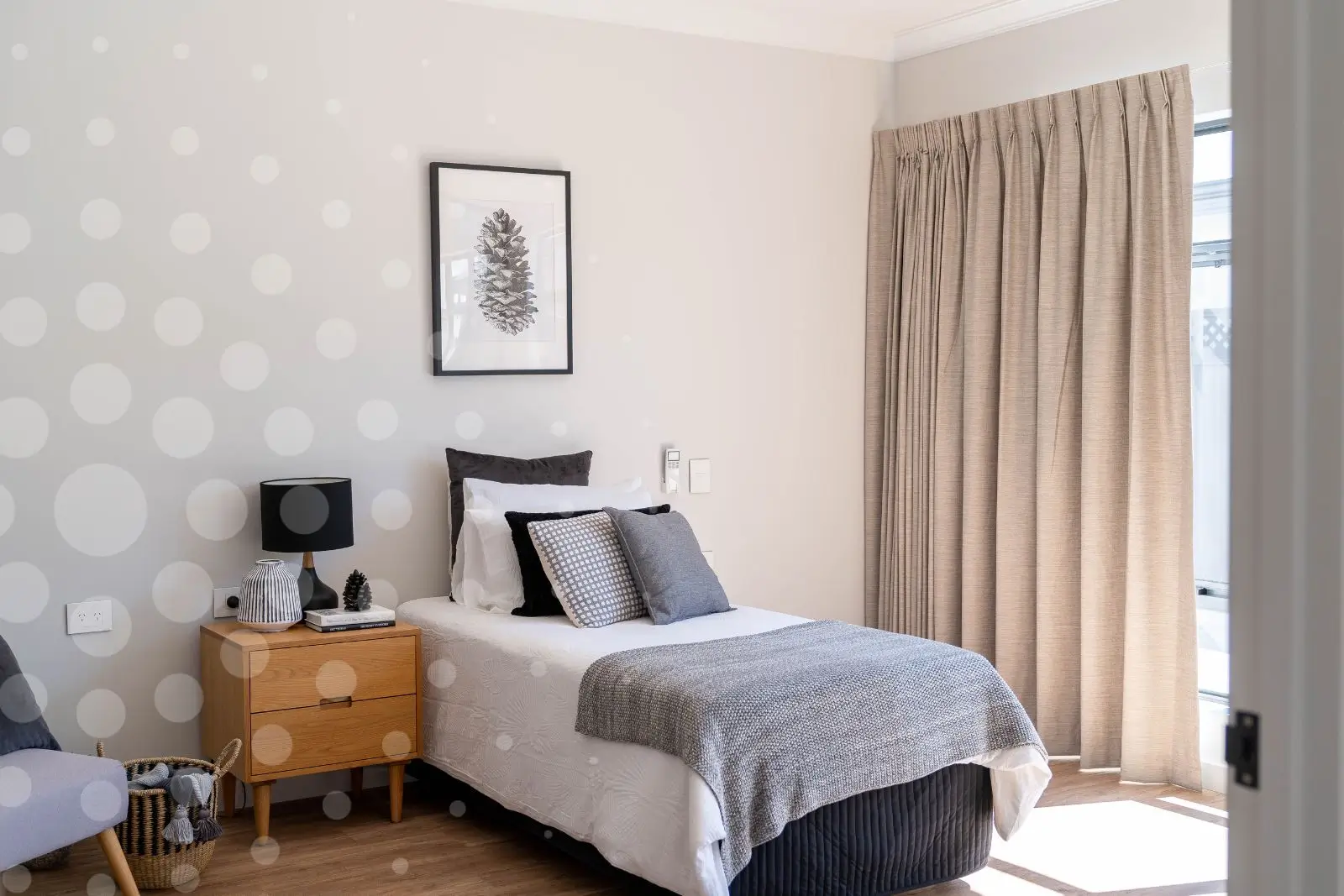 Available now
Women's supported home, Waterford West
Logan Reserve Road, Waterford West
- 1 room available
- SIL · ILO · MTA
- Female household, 2 residents in place, sleepover (inactive) support overnight
- 1:3
- Shared with one other participant
- Available from Now
Ref TBZ-WW-01
-
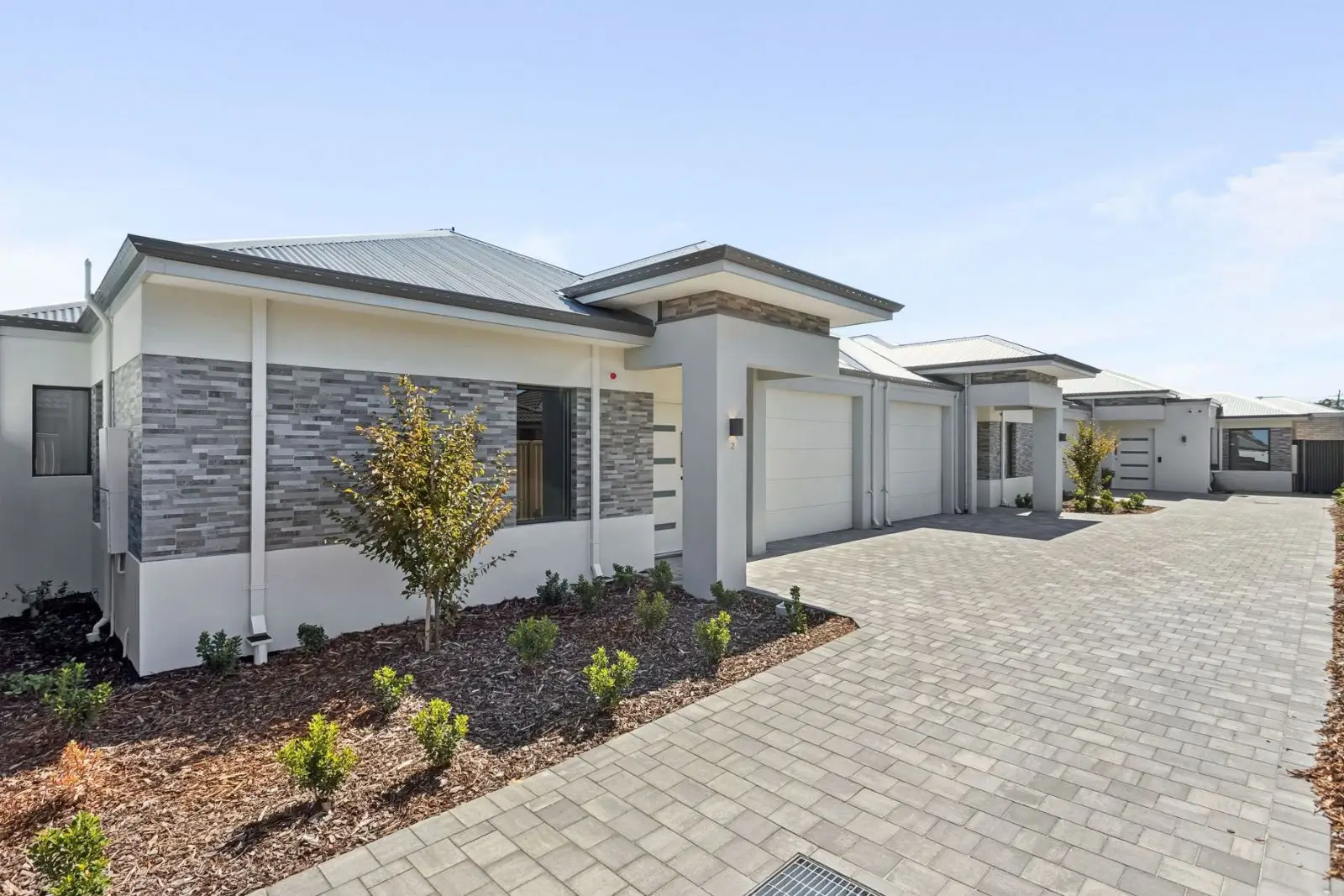 Available now
Men's supported home, Waterford West
Logan Reserve Road, Waterford West
- 3 rooms available
- SIL · ILO · MTA
- Male household, 1 resident in place, active or sleepover support overnight
- All ratios considered, including ILO
- One bedroom has an ensuite with an accessible bathroom; the other two share a standard bathroom
- Available from Now
Ref TBZ-WW-02
Can't see a fit?
Register your interest and we will contact you when a room comes up in the area and household you are looking for.
Room availability updated 12 October 2026. We reply to vacancy enquiries within 12 to 24 hours.
How ILO funding works
ILO funding pays for the design work and the support, not your housing. You still pay rent, a mortgage or board, and everyday costs like food and power. If you live with a housemate who gets reduced rent, that arrangement is set out in writing so everyone knows where they stand.
To ask for ILO, talk to your my NDIS contact or support coordinator. The NDIA will want evidence of your support needs and how you want to live. Only the NDIA decides what goes in your plan.
Talk to a registered nurse-led team
Call 1300 822 333 or send a referral. We reply to every enquiry within 12 to 24 hours.
Asking a question does not commit you to anything.
What to expect from us
When you get in touch, we'll talk about how you'd like to live and what your plan currently funds. If ILO looks like a fit, we'll explain what we can do and what the next steps are. If another option suits you better, we'll say so.
We don't provide support coordination, plan management or Specialist Disability Accommodation (SDA). If you have a coordinator, we're happy to work with them. How we screen workers, manage incidents and handle complaints is set out on our quality and safeguarding page.
Questions about ILO
What is the difference between ILO and SIL?
SIL is paid support on a roster, usually 24/7 and shared with housemates in a provider-run home. ILO is an arrangement designed around you, often with a host or a housemate giving some of the support. ILO suits people who need at least 6 hours of support a day but not paid workers there around the clock.
How long does ILO take to set up?
The NDIA says the exploration and design stage usually takes between 30 and 100 hours of work. How long that takes in weeks depends on your situation, how quickly a good host or housemate can be found, and how long the NDIA takes to approve funding for the arrangement itself.
Does ILO pay rent?
No. ILO funds support, not housing. You still pay rent, a mortgage or board, and your everyday living costs such as food and electricity. Where a housemate gets reduced rent in return for support, that is part of the arrangement and should be written into your agreement.
Can I do ILO in my own home?
Yes, ILO can be set up where you already live, for example by having a housemate move in with you. It doesn't have to mean moving. The design stage is where you work out whether your current home works for the arrangement you want.
Can I change my mind once ILO is in place?
Yes. Stage 2 includes regular checks that the arrangement is working for you. If it isn't, the setup can change, and that might mean a different host, a different housemate or a different type of support. Talk to your provider and your my NDIS contact early if something feels wrong.
- SILDaily support in a shared home in Waterford West, up to 24/7 where funded, with a registered nurse overseeing care.
- SIL vs ILO vs SDASIL and ILO pay for support at home, SDA pays for the building. How the three compare and work together.
- VacanciesSupported accommodation vacancies in Waterford West, Logan. SIL, ILO and MTA rooms available now, with registered-nurse oversight. Reply within 24 hours.
Talk to a registered nurse-led team
Call 1300 822 333 or send a referral. We reply to every enquiry within 12 to 24 hours.
Asking a question does not commit you to anything.