
NDIS supported accommodation
Supported Independent Living (SIL) in Logan and Brisbane
Live in a shared home with support workers there day and night, and a registered nurse overseeing your care. Here is how SIL works with Trailblazer.

Supported Independent Living (SIL) is NDIS funding for support workers who help or supervise you at home, up to 24 hours a day. Trailblazer is a registered SIL provider (NDIS registration 4050133378) with two shared homes on Logan Reserve Road in Waterford West, in the City of Logan. Our support workers run the daily roster, and a registered nurse oversees the clinical side of your care.
SIL pays for the support, not the house. You pay your own rent, food and bills. From 1 October 2026, only registered providers can deliver SIL, so it's worth checking any provider's registration before you sign. For the full detail on what SIL covers, read what SIL is and how SIL funding works.
Who SIL suits
SIL is for adults who need help with daily tasks for a large part of every day, and some support the rest of the time, including overnight. That might be because of a physical disability, an intellectual disability, an acquired brain injury or a psychosocial disability. What matters to the NDIA is how much support you need, not the diagnosis.
It often suits people who:
- are moving out of the family home for the first time
- are leaving hospital and can't safely go back to where they lived before
- have complex health needs that make living alone risky
- want to share a home with other people rather than live by themselves
SIL is usually not the right fit if you only need a few hours of help a day, or you want to choose and roster your own workers. Individualised Living Options may suit you better, and our SIL vs ILO vs SDA guide compares them.
What daily support looks like in our homes
Every person's roster is different, but a normal week in one of our homes is built around ordinary things. Getting up and getting ready. Breakfast. Medication at the right times. Appointments, work, study or a day out. Cooking dinner, doing the washing, winding down in the evening.
Support workers help with these where you need it and step back where you don't. If you can make your own toast but need a hand in the shower, that's how your support is set up. The aim of SIL is to build your skills over time, so we'd rather cook with you than for you when that's what you want.
Your support can include:
- Personal care, like showering, dressing and toileting
- Medication prompting and support
- Meals and household routines
- Getting to appointments and activities
- Following your behaviour support plan, if you have one
- Building skills for living more independently
Each home also has house rules, covering things like visitors and shared spaces. The NDIA's SIL guideline says your provider must give you a written agreement about living in the home, so you'll see these before you move in.
Overnight, the women's home has sleepover (inactive) support. The men's home can have active or sleepover support overnight, depending on what each resident's plan funds.

Registered nurse oversight
Trailblazer is led by Exavier Rikonda, a registered nurse with 14 years of nursing experience. That shapes how we run SIL. If your support involves a catheter, PEG feeding, stoma care or diabetes, the workers in your home have a nurse behind them who knows the work and checks that your plan is right.
One thing to be clear on: SIL doesn't fund nursing care. If you need a nurse to dress a wound or change a catheter, that's funded separately, and we can provide it through our NDIS community nursing service. People with high support needs can read about our high intensity and complex care.
Support ratios explained
A ratio tells you how many support workers are shared between how many residents. Your plan sets the ratio based on your assessed needs, and it can change across the day.
- 1:1 means one worker supports only you. The NDIA funds this in limited situations, such as health needs that require constant monitoring.
- 1:2 means one worker is shared between two people.
- 1:3 means one worker is shared between three people. This is common in shared homes.
A household might have more staff on during the busy morning, when everyone is getting ready, and fewer later in the evening. The ratio and the roster of support you'll get each week should be written into your service agreement. Each home listed below shows the ratios it can support.
-
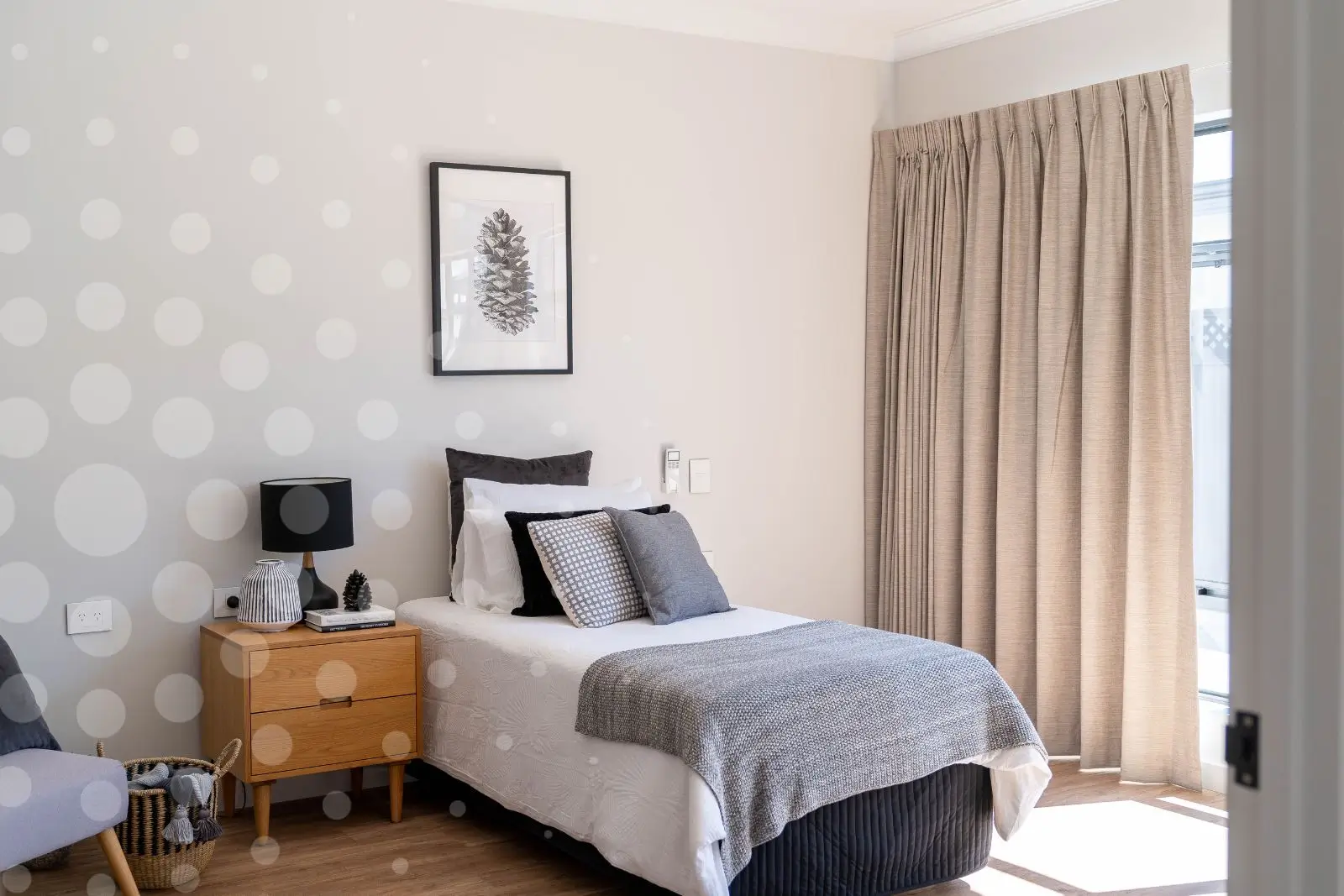 Available now
Women's supported home, Waterford West
Logan Reserve Road, Waterford West
- 1 room available
- SIL · ILO · MTA
- Female household, 2 residents in place, sleepover (inactive) support overnight
- 1:3
- Shared with one other participant
- Available from Now
Ref TBZ-WW-01
-
 Available now
Men's supported home, Waterford West
Logan Reserve Road, Waterford West
- 3 rooms available
- SIL · ILO · MTA
- Male household, 1 resident in place, active or sleepover support overnight
- All ratios considered, including ILO
- One bedroom has an ensuite with an accessible bathroom; the other two share a standard bathroom
- Available from Now
Ref TBZ-WW-02
Can't see a fit?
Register your interest and we will contact you when a room comes up in the area and household you are looking for.
Room availability updated 12 October 2026. We reply to vacancy enquiries within 12 to 24 hours.
How SIL funding works
The NDIA works out SIL funding from your support needs across an ordinary week. It looks at how many hours of help you need, your ratio, whether your needs are standard or high intensity, and what overnight support you need. It then applies the NDIS pricing rules to reach a figure. We don't publish prices, because the right amount depends on your plan.
To ask for SIL, you'll usually need recent reports from a health professional, such as an occupational therapist, showing what help you need and how often. Your my NDIS contact or support coordinator can help with this.
Talk to a registered nurse-led team
Call 1300 822 333 or send a referral. We reply to every enquiry within 12 to 24 hours.
Asking a question does not commit you to anything.
Before you move in
Moving in starts with a conversation and a visit. You can see the home, meet the people already living there and ask anything you want. We take current residents' views seriously too, because a shared home works best when people get along.
Things we'll talk through and confirm in writing:
- Board: $250 a week, which includes power, internet and water
- Bedrooms: furnished in both homes
- Pets: considered case by case, depending on the people already living in the home
- Notice period: 2 weeks under our service agreement
Our guide to moving into a SIL home covers what to bring and what the first few weeks are like. How we screen workers, report incidents and handle complaints is set out on our quality and safeguarding page.
Questions about SIL
Is Trailblazer a registered SIL provider?
Yes. Trailblazer Community Care is a registered NDIS provider, registration number 4050133378, and SIL is part of our registration. From 1 October 2026 SIL can only be delivered by registered providers, or providers who applied to register before that date. You can check any provider on the NDIS Commission website.
Does SIL include nursing care?
No. SIL pays for support workers, not nursing, medical or palliative care. If you need wound care, catheter changes or other nursing at home, that's funded separately. Our registered nurse oversees the clinical side of support in our homes, and we can also provide NDIS community nursing if your plan funds it.
Do I pay rent in a SIL home?
Yes. SIL funding covers the support you get, not housing. You pay rent or board, groceries and bills yourself, usually from your pension or other income. We'll explain exactly what you'll pay, and what it includes, before you agree to anything.
Can I choose who I live with?
You'll have a say. Before you move in you can visit the home and meet the people already living there, and they get a say too. Our homes are for women or for men, and the listings explain who currently lives in each household.
What if I don't have SIL in my plan yet?
You can still contact us. We can explain how SIL works and what evidence the NDIA usually asks for, but we can't get it approved for you. Your my NDIS contact or support coordinator can help you ask for home and living supports at your next plan review.
How quickly can I move in?
That depends on your plan, the home and how quickly paperwork can be done. When a room is available now, the main steps are a visit, agreeing your support and living arrangements, and setting a date. Tell us if you have a hospital discharge date and we'll work towards it.
- ILOA living arrangement designed around you, often with a host or housemate, with support set up and checked over time.
- VacanciesSupported accommodation vacancies in Waterford West, Logan. SIL, ILO and MTA rooms available now, with registered-nurse oversight. Reply within 24 hours.
- What is SIL?What SIL pays for, what it doesn't, and how the NDIA works out SIL funding in a plan.
Talk to a registered nurse-led team
Call 1300 822 333 or send a referral. We reply to every enquiry within 12 to 24 hours.
Asking a question does not commit you to anything.