
NDIS supported accommodation
Medium term accommodation (MTA) in Logan and Brisbane
Somewhere safe to live while your long-term home gets ready. Our MTA rooms are in two supported homes in Waterford West, with support from a team overseen by a registered nurse.

Medium term accommodation (MTA) is NDIS funding for somewhere to live when you have a long-term home lined up but can't move in yet, because your disability supports aren't ready. The NDIS usually funds it for up to 90 days. Trailblazer offers MTA rooms in our two supported homes on Logan Reserve Road, Waterford West, for people across Logan, Ipswich, Brisbane and Redland Bay.
MTA pays for the room. It does not pay for your support, so the care you need while you stay with us comes from the other supports in your plan, such as SIL or personal care.
Who medium term accommodation is for
MTA is a bridge. It's for people who know where they're going but can't get there yet. Common situations:
- You've been offered a place in Specialist Disability Accommodation (SDA) and the vacancy isn't ready for another few weeks.
- Your own home is having modifications done, such as a bathroom refit, and you can't use it until the work is finished.
- You're waiting for equipment like a ceiling hoist to be installed in your new home.
- You've been offered a room in a SIL or ILO home and are waiting for someone to move out.
- You're ready to leave hospital, but the place you were living no longer suits your needs.
It isn't emergency housing or crisis accommodation. The NDIS guideline is clear that you need a home to move into afterwards. If you're homeless or at risk, your state housing service is the first call, and we can point you in the right direction.
What the NDIS says about MTA
These are the NDIA's rules, not ours. We've summarised them from the NDIS medium term accommodation guideline, which was rechecked when this page was written.
To be eligible, you must meet all three of these criteria:
- You have a long-term home you'll move into after MTA.
- You can't move into that home yet because your disability supports aren't ready.
- You can't stay where you're living now while you wait.
You'll usually need evidence for each one, such as a letter offering you a place, a tenancy offer, or proof that home modifications are under way. The NDIA also asks for the date you expect to move, generally within 90 days.
The 90 days can be extended in limited situations, where there's evidence you need longer because of your disability support needs. MTA is a one-off support. It isn't a standalone item either, and the NDIA only adds it to a plan alongside your other home and living supports.
MTA funding covers the cost of the accommodation only. It doesn't cover food, internet or electricity, and it doesn't cover personal care. Those come from your own money or from other supports in your plan.
We'll go through exactly what you'll pay for before your stay starts, so there are no surprises.
Leaving hospital into MTA
The rules are a little different if you're being discharged from hospital. You can have MTA added to your plan if you're eligible for SDA, SIL, ILO or home modifications, and you don't need a confirmed long-term home yet. The point is to help you leave hospital sooner while your long-term home is found.
For someone in our area, that might mean a stay at Logan Hospital, the Princess Alexandra Hospital or another Brisbane hospital, followed by a wait for SDA or a SIL vacancy. We don't have formal arrangements with any hospital. What we do have is a registered nurse who reviews referrals with clinical needs. Exavier Rikonda, our founder, has been a Registered Nurse for 14 years, so if the person leaving hospital has a catheter, a PEG tube or a wound that needs dressing, the referral is reviewed by someone who knows that care.
If you're a discharge planner or social worker, send the referral as early as you can, even before a date is set. We reply within 12 to 24 hours. The professional referral form lets you attach clinical notes and record consent.
What a stay with us looks like
Our MTA rooms are in the same two homes as our SIL and ILO residents, both on Logan Reserve Road in Waterford West. One is a women's home and one is a men's home. You'd have your own bedroom and share the kitchen, living areas and yard with the people who live there.
Because MTA only pays for the room, we'll talk with you about the support you need while you're here and what your plan already funds. For some people that's a few hours of help a day. For others it's 24/7 support in a shared roster, which is SIL. We'll be straight with you about whether your plan covers what you need before you move in.
A short stay still deserves a proper start. We'll ask about your routines, your health needs, the foods you like and the people you want to stay in touch with. Your housemates' views matter too, so we'll talk about fit before a move is agreed.
-
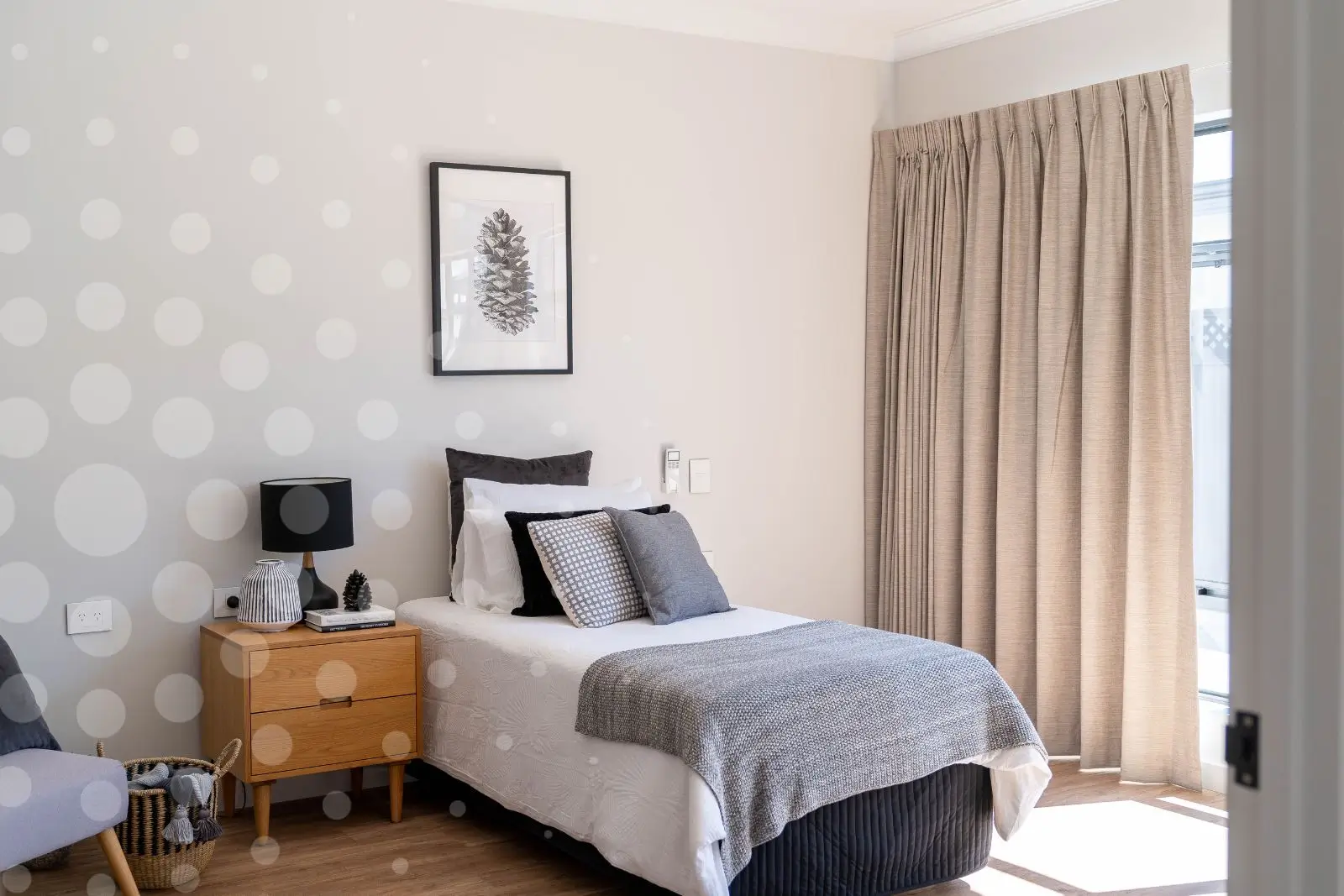 Available now
Women's supported home, Waterford West
Logan Reserve Road, Waterford West
- 1 room available
- SIL · ILO · MTA
- Female household, 2 residents in place, sleepover (inactive) support overnight
- 1:3
- Shared with one other participant
- Available from Now
Ref TBZ-WW-01
-
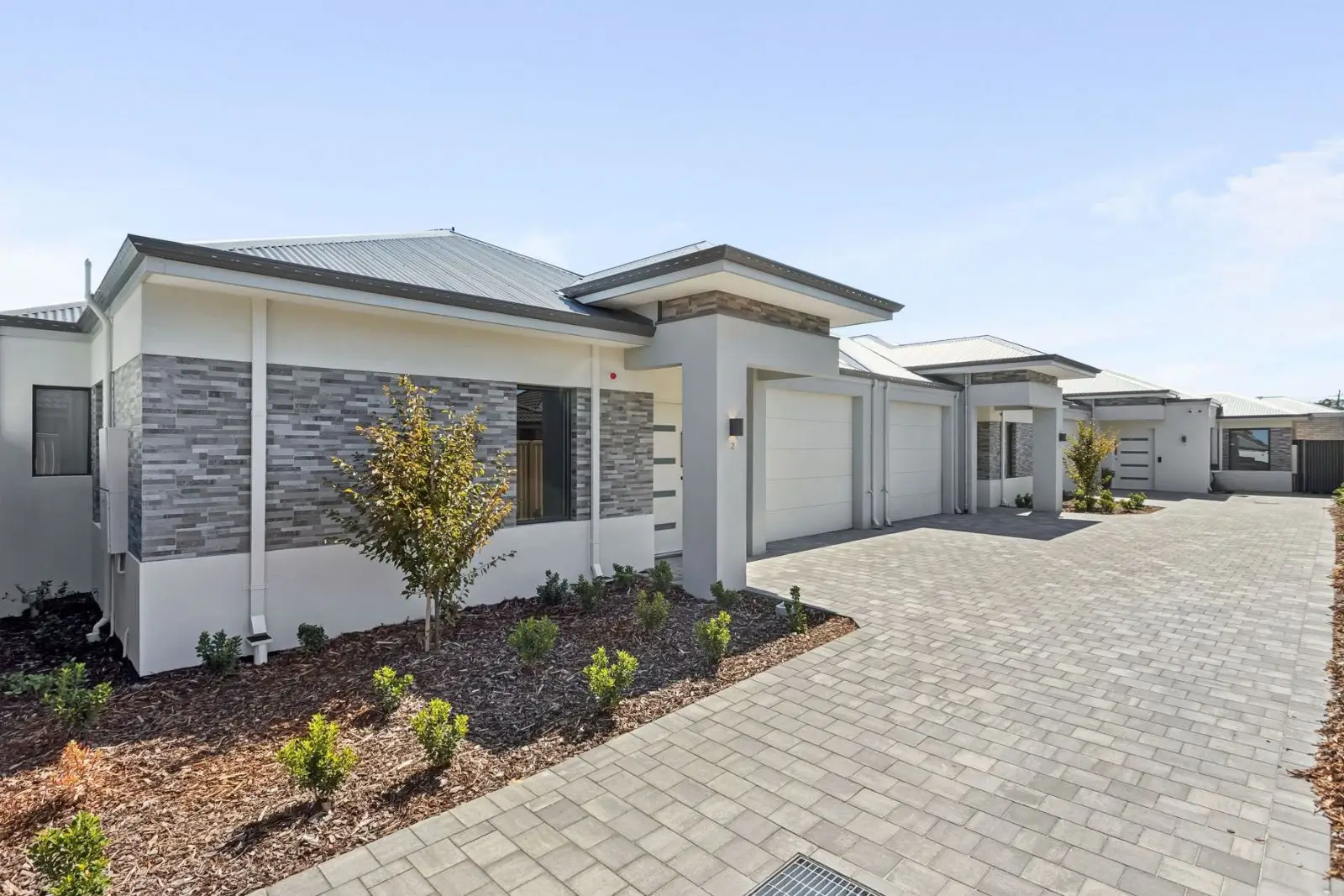 Available now
Men's supported home, Waterford West
Logan Reserve Road, Waterford West
- 3 rooms available
- SIL · ILO · MTA
- Male household, 1 resident in place, active or sleepover support overnight
- All ratios considered, including ILO
- One bedroom has an ensuite with an accessible bathroom; the other two share a standard bathroom
- Available from Now
Ref TBZ-WW-02
Can't see a fit?
Register your interest and we will contact you when a room comes up in the area and household you are looking for.
Room availability updated 12 October 2026. We reply to vacancy enquiries within 12 to 24 hours.
Rooms listed above show the support types each home can offer. Read more about the women's home or the men's home, or register your interest if nothing suits yet.
What we don't do
We don't provide SDA, so we can't offer you an SDA place at the end of your MTA stay. We also don't provide support coordination or plan management. Your support coordinator is usually the person who pulls the MTA evidence together, and we're happy to work with them.
No provider can approve NDIS funding, including MTA. Only the NDIA decides what goes in your plan. If a provider tells you they can get your funding approved, be careful. How we manage risk, incidents and complaints is set out on our quality and safeguarding page.
How to arrange MTA with us
Get in touch
Call 1300 822 333 or send a referral. Tell us where the long-term home is up to and when you need to move. We reply within 12 to 24 hours.
Check the room and the funding
We confirm a room is free, and you or your coordinator confirm MTA and your support funding are in the plan.
Meet the home
Where possible you visit, meet the team and get a feel for the housemates. For a hospital discharge we can talk it through by phone or video.
Move in and plan the move out
We set up your supports from day one and keep in touch with your coordinator about the date your long-term home will be ready.
Talk to a registered nurse-led team
Call 1300 822 333 or send a referral. We reply to every enquiry within 12 to 24 hours.
Asking a question does not commit you to anything.
Questions about medium term accommodation
How long can I stay in medium term accommodation?
The NDIS usually funds MTA for up to 90 days. It can be extended in limited situations if there's evidence you need longer because of your disability support needs. Talk to your NDIS contact or support coordinator early if your long-term home is running late, because the evidence takes time to gather.
Does MTA funding pay for my support workers?
No. MTA covers the cost of the accommodation only. Your support while you stay with us is paid from other supports in your plan, such as SIL, personal care or high intensity supports. If you need more support than usual during the stay, the NDIA may fund that separately.
What does MTA not cover?
It doesn't cover day-to-day living costs such as food, internet or electricity, and it doesn't cover personal care. Everyone pays those kinds of costs from their own income. We'll explain what applies in our homes before you agree to anything, so there are no surprises.
Can I use MTA if I don't have a long-term home yet?
Usually you need a confirmed long-term home. The exception is a hospital discharge: if you're eligible for SDA, SIL, ILO or home modifications, you can get MTA without a confirmed home, so you can leave hospital while the search goes on. People leaving a justice setting who are eligible for SDA have a separate pathway.
Can you help me get MTA added to my plan?
We can't approve funding, and no provider can. The NDIA decides. What we can do is give you a letter confirming a room is available and when, which is often part of the evidence your coordinator sends. If a provider promises to get your funding approved, be careful.
Is MTA the same as respite?
No. MTA is for when you can't live at home and are waiting for your long-term home. Respite, which the NDIS calls short term accommodation or short term respite, gives you and your family a planned break while your usual home stays the same. See our short term accommodation page.
- SILDaily support in a shared home in Waterford West, up to 24/7 where funded, with a registered nurse overseeing care.
- VacanciesSupported accommodation vacancies in Waterford West, Logan. SIL, ILO and MTA rooms available now, with registered-nurse oversight. Reply within 24 hours.
- SIL vs ILO vs SDASIL and ILO pay for support at home, SDA pays for the building. How the three compare and work together.
Talk to a registered nurse-led team
Call 1300 822 333 or send a referral. We reply to every enquiry within 12 to 24 hours.
Asking a question does not commit you to anything.