
NDIS guide
Choosing an NDIS provider in Logan: a practical checklist
How to check a provider is who they say they are, what to ask at the first meeting, and the warning signs that should make you walk away.
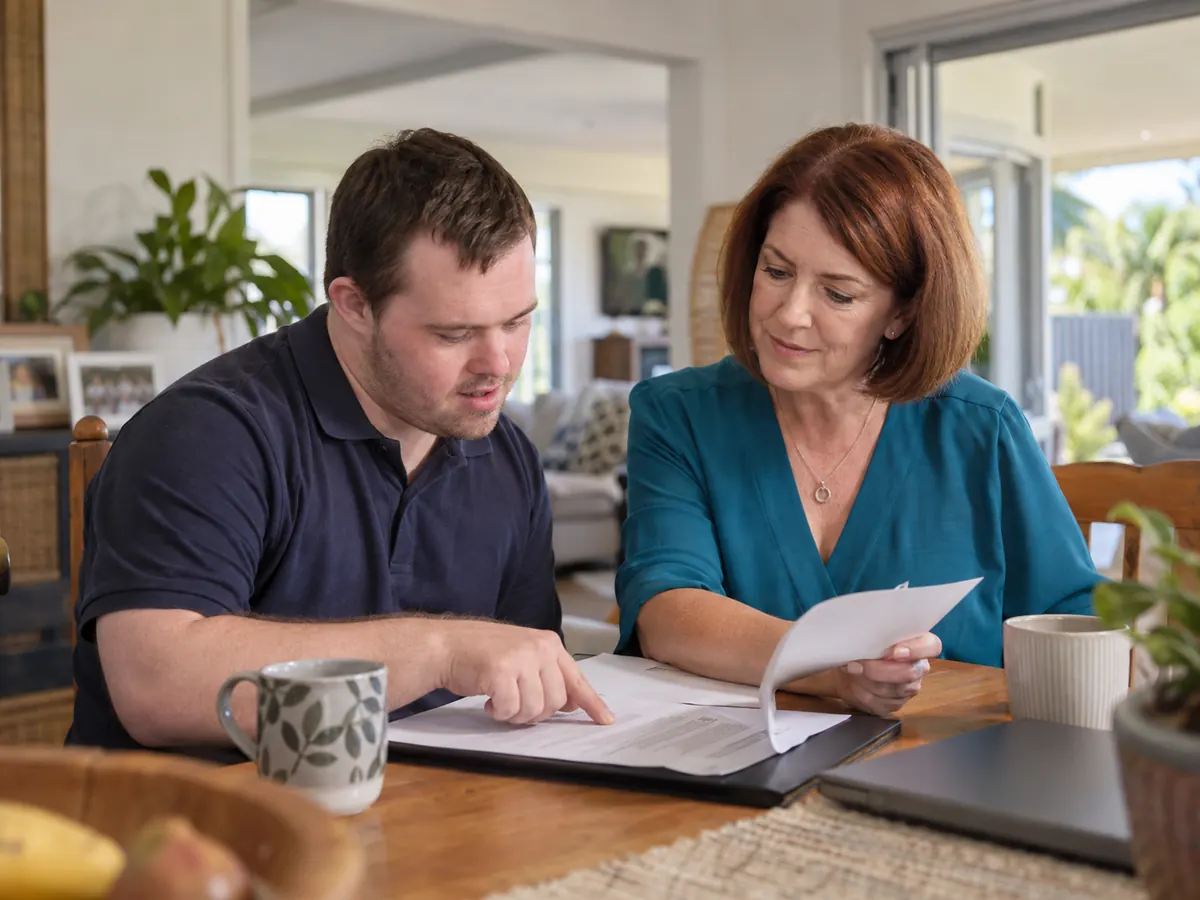
To choose an NDIS provider, start with the supports you need and how your plan is managed, then check the provider on the NDIS Commission's Provider Register, meet them before you sign anything, and ask how they train workers, handle problems and deal with complaints. Walk away from anyone who promises to get your funding approved. That applies whether you live in Logan, Brisbane or anywhere else in Australia.
The checklist below is the version we would hand to a family member. It is based on guidance from the NDIA and the NDIS Commission.
Before you start looking
Two things narrow the field quickly.
What you need. Write down the supports in your plan and how you want them delivered. A person moving into shared living needs a different provider from someone wanting a few hours of community access each week.
How your plan is managed. This decides whether you can use unregistered providers at all, which is explained in the next section. Your plan will say whether each part is NDIA managed, plan managed or self managed.
Registered and unregistered providers
Both registered and unregistered providers can deliver NDIS supports. The difference is the level of checking they have been through.
A registered provider has been approved by the NDIS Commission and, depending on what it delivers, audited against the NDIS Practice Standards. Its registration lists the support types it is approved for. An unregistered provider has not been through that process, but must still follow the NDIS Code of Conduct.
According to the NDIA:
- If your plan is NDIA managed, you must use registered providers.
- If your plan is self managed or plan managed, you can usually use either.
Some supports always need a registered provider, whatever the plan type. The NDIA lists specialist behaviour support, plan management, specialist disability accommodation (SDA) and supported independent living (SIL).
For SIL, the NDIS Commission notes a transitional arrangement. Unregistered SIL providers who applied for registration before 1 October 2026 may keep delivering SIL until a decision is made on their application. These providers are listed in Part 3 of the Provider Register.
Neither option is automatically better for everyone. Some unregistered sole traders give excellent support. Registration does give you extra assurance on audits, complaints handling and incident management, and it matters more as supports become more complex.
How to check a provider on the NDIS Provider Register
This takes about five minutes and is worth doing for every provider, including us.
Open the register
Go to the NDIS Commission's Find a registered provider page.
Search by name or ABN
Use the business name, legal name or ABN. The ABN is the most reliable, because trading names can be similar.
Check the status
"Approved" means currently registered. "Revoked" means the provider has been banned or had its registration taken away.
Look at the registration details
Confirm the provider is registered for the type of support you need, not just registered in general.
Search compliance actions
Check the Commission's banning orders and compliance decisions search for the provider and, if you know them, key staff.
The compliance search lists banning orders, compliance notices, enforceable undertakings, and suspensions or revocations of registration. The Commission notes it does not list low-level actions such as warning letters, so a clean result is reassuring but not a guarantee.
You can also use the NDIA's provider finder to search registered providers by suburb or postcode.
Talk to a registered nurse-led team
Call 1300 822 333 or send a referral. We reply to every enquiry within 12 to 24 hours.
Asking a question does not commit you to anything.
Questions to ask at the first meeting
The NDIA recommends meeting a provider before you start. Bring someone you trust if that helps. These are the questions we would ask.
- Which supports are you registered for, and can I see your certificate?
- Who would actually support me, and can I meet them first?
- How do you match workers to people, and can I say no to a worker?
- What training do workers get for my particular needs?
- Who oversees clinical or complex care, if I need it?
- What happens when my regular worker is sick or on leave?
- How do I reach someone after hours?
- How do you record incidents, and will I be told?
- How do I make a complaint, and who else can I complain to?
- What is in the service agreement, and how do I end it?
You must have a service agreement for some supports, including SIL and SDA, and the NDIA recommends one for everything else. Read it before signing. Look for what supports you will get, how the provider is paid, and how either side can change or end the agreement.
Warning signs
Most providers in Logan and across South East Queensland do the right thing. These are the red flags that should make you slow down.
- Promising funding approval. No provider can approve NDIS funding. Only the NDIA decides what goes in your plan. If a provider tells you they can get your funding approved, be careful.
- Pressure to sign quickly. A good provider will give you time to read the agreement and talk to family or your support coordinator.
- Asking for your myGov or bank login. You never need to give a provider these. The NDIA warns about scams that ask for personal and bank details.
- Charging for things you did not receive, or invoices that do not match the agreed supports.
- Offering gifts or incentives to get you to switch.
- Vague answers about who will turn up, how workers are trained, or how to complain.
- One organisation offering to do everything, including managing your plan and coordinating the supports it then sells to you. Ask how they manage the conflict of interest. The NDIA lists conflicts of interest as a form of non-compliance.
If something feels wrong, you can report suspected fraud to the NDIS Fraud Reporting and Scams Helpline on 1800 650 717. Concerns about the quality or safety of supports go to the NDIS Commission on 1800 035 544.
Where Trailblazer fits
Trailblazer Community Care is a registered NDIS provider, registration number 4050133378, ABN 45 645 089 292. We are led by Exavier Rikonda, a Registered Nurse with 14 years of nursing experience, and we work across Logan, Ipswich, Brisbane and Redland Bay. Our two supported homes are on Logan Reserve Road, Waterford West.
We do not provide support coordination, plan management or SDA. That keeps us out of the conflict described above, and it means your coordinator and plan manager stay independent of us. Our quality and safeguarding page sets out how we handle training, incidents and complaints, and our feedback and complaints page explains how to raise a concern.
Run us through this checklist like anyone else. Call 1300 822 333 or make a referral, and we will reply within 12 to 24 hours.
Frequently asked questions
Is a registered NDIS provider better than an unregistered one?
Not always, but registration means the NDIS Commission has approved the provider and, for many supports, audited it against the Practice Standards. If your plan is NDIA managed you must use registered providers. Some supports, including SIL and SDA, need a registered provider whatever your plan type.
How do I check if an NDIS provider is registered?
Search the NDIS Commission's Provider Register by business name, legal name or ABN. A status of Approved means the provider is currently registered. Then check the Commission's compliance actions search for any banning orders, compliance notices or revoked registrations.
Can I change NDIS providers if I am unhappy?
Yes. You choose your providers, and you can change. Check your service agreement for the notice period and how to end it. If you have a complaint, raise it with the provider first; you can also contact the NDIS Commission on 1800 035 544.
Can a provider help me get more NDIS funding?
No provider can approve funding. Only the NDIA makes funding decisions. A provider can give reports or evidence about the supports you use, but treat any promise of approval or extra funding as a warning sign.
Do I need a service agreement?
For some supports, such as SIL and SDA, you must have one. For other supports the NDIA recommends one, so both you and the provider know what supports you will get, how payment works and how to change or end the arrangement.
- LoganHome of our two Waterford West supported homes, with in-home supports, nursing and DVA care across the City of Logan.
- Quality & safeguardingOur NDIS registration, how we manage incidents and clinical risk, and your rights.
- High intensity supports explainedThe eight supports the NDIS Commission calls high intensity, how workers are trained for them, and what to ask a provider.
Talk to a registered nurse-led team
Call 1300 822 333 or send a referral. We reply to every enquiry within 12 to 24 hours.
Asking a question does not commit you to anything.